Child & Teen Therapy
Children and teens experience big emotions, changes, and challenges as they grow—and sometimes they need extra support to make sense of what they’re feeling. Our child and teen therapy services provide a safe, supportive space where young people can express themselves, build coping skills, and strengthen emotional resilience.
Therapy is tailored to each child’s needs, strengths, and family context.
For younger children, therapy may involve play and expressive activities that allow feelings to emerge naturally. For teens, sessions offer a respectful space to talk openly, explore identity, and build tools for managing stress and relationships.
Call or email for more information or
to schedule an appointment
(570) 229-3305
afuccilcsw@gmail.com
I use evidence‑based, developmentally appropriate therapeutic approaches that may include talk therapy, play‑based techniques, creative expression, and skill‑building strategies. Sessions focus on helping children and teens:
Identify and understand their emotions
Develop healthy coping and problem‑solving skills
Build confidence and self‑awareness
Improve communication and relationships
Feel safe, heard, and supported
Therapy provides children and teens with a consistent, non‑judgmental space where they can be themselves. With time, support, and understanding, young people can develop the skills they need to thrive emotionally, socially, and academically.


I believe family involvement is an important part of successful therapy. When appropriate, parents and caregivers are included to help reinforce skills at home, improve communication, and support positive change. I can work collaboratively with families while also honoring the child or teen’s need for trust and privacy.
If you’re wondering whether therapy might be helpful for your child or teen, I am here to answer questions and talk through next steps.
Supporting Families
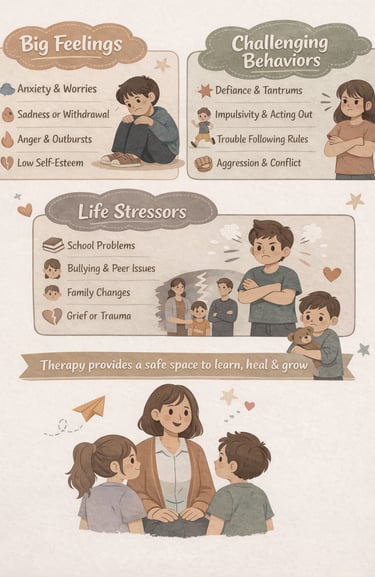
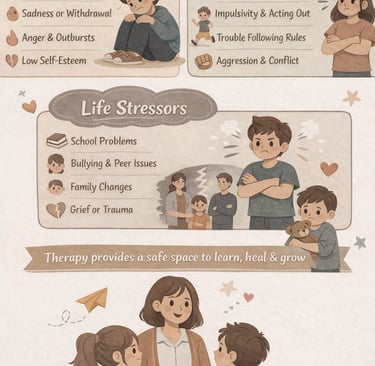
Therapy can support children and teens who are experiencing:
Anxiety, worry, or excessive fears
Depression, sadness, or low self‑esteem
Emotional outbursts, anger, or difficulty with regulation
School stress, academic pressure, or social challenges
Life transitions such as family changes, grief, or loss
Trauma or difficult past experiences
Difficulty expressing feelings or communicating needs
The goal is NOT to “fix” your child, but to help them feel understood, supported, and capable of navigating their world more confidently.
Contact:
Angela Fucci, LCSW
100 4th Street #6
Honesdale PA 18431
Phone: (570) 229-3305
afuccilcsw@gmail.com
For Telehealth, a link will be provided via email and is also available by logging into the client account at the time of the appointment.
Professional Affiliations
National Association of Social Workers
National Association of the Dually Diagnosed
American Board of Clinical Social Work
Pennsylvania Society for Clinical Social Work
New Jersey Society for Clinical Social Work